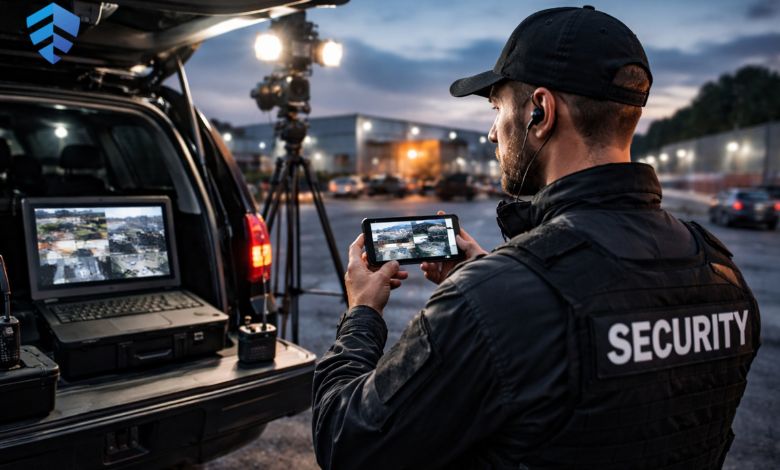
Enhanced online security screening judges explained: how it works, why it matters, and how it protects judges from digital threats.
If you had asked me a few years ago what “judicial security” means within society, maybe I would have made the picture. A courtroom with bodyguards standing by the doors, maybe a metal detector پر the entrance, and that’s about it. Simple. Straightforward. Physical protection.
But things have changed a lot.
Today, judges aren’t just facing risks inside courtrooms; they’re dealing with threats that affect society as a whole and come through screens, social media, leaked data, and even anonymous online harassment. And that’s where the concept of enhanced online security screening for judges comes in, often searched as enhanced online security screening judges.
When I first came across this term, I’ll be honest, it sounded a bit technical, almost like something buried deep in a government policy document. But once I dug into it, I realized it’s actually a fascinating and very important shift in how modern justice systems protect the people who uphold the law in today’s evolving society.
What Does Enhanced Online Security Screening Mean for Judges?
But its core, Expanded online security screening Intended for judges. The use Of advanced digital tools, Surveillance systems, and cybersecurity measures To preserve the judges online threats. This is exactly what it means when they search for enhanced online security screening judges.
Sounds simple enough, right?
But here’ s This is where it gets interesting.
It’s not just about installing. Antivirus software or event strong passwords. It is about creation. An entire digital protection ecosystem A threat monitor detects threats early and prevents them. Sensitive information from being exposed.
Assess of it esteem this: If traditional security is a lock But your front door, Expanded online screening is a full smart security system, cameras, alarm, motion sensors, And real- time alerts.
Why was it necessary?
Let me share something that really stuck with me during this time. My research.
A few years ago, I examined cases where judges’ personal addresses was leaked online. Not only vague information, actual home addresses, Family details, everything. Imagine that.
That’s when it hit me: Judges today don’t just make legal decisions– they navigate. A world where a single online post can set their lives at risk, that’s why enhanced online security screening judges It has happened an important topic.
The Rise of Digital Threats
Here’ s What has changed:
- Social media Made referees more visible.
- Online forums Information can be disseminated immediately.
- Cybercriminals Can target individuals globally.
- Data breaches Exposed personal details And unfortunately, judges often deal with it high- stakes cases, terrorism, Political corruption, organized crime. He makes. Them prime targets.
So naturally, governments had to make resolutions.
How Enhanced Online Security Screening Works
Now let’s get into the mechanics- but don’t worry, I’ll keep it simple.
1. Continuous online monitoring
It’s value holding. A digital watchdog.
Systems Scan the internet to:
- Threatening messages
- Mentions I of the judges suspicious contexts
- Leak personal information
It’ s Not about espionage- it’s about that. Early warning, which is a key part Of enhanced online security screening judges system
2. Identity and data protection
This part focuses on retention. Personal information is safe.
For example:
- Remove judges’ addresses from public databases
- Limiting access To sensitive records
- Encryption communication channels
It’ s Essentially ensuring that although someone tries Digging in, that is nothing useful to find out.
3. Threat detection algorithms
Now this is where things come together. A bit futuristic.
Advanced systems use AI to:
- Finding out unusual patterns
- The flag potential risks
- Analyze behavior across platforms.
It’ s Appreciate holding a smart assistant which says,” Hey, something doesn’t look right here.”
4. Secure digital infrastructure
Courts themselves Upgrades are also made.
- Secure login systems
- Multi- factor authentication
- Protected case management platforms
Because let’s be real- if court systems get hacked, the consequences can be very large.
Real- World Example( simplified)
Let’s imagine. A scenario.
A judge handles a sensitive case. Meanwhile, someone online is starting to post. Aggressive comments, I dig the judge’ s background, And parts partial personal details.
Without better screening, it can go unnoticed- until it progresses.
But with that?
The system The flags the activity Authorities There are warnings Preventive action is taken Problem Caught early. The risk is reduced.
Why it’s more important than you consider.
But at first glance, it seems to be a niche issue, something that only affects the judges.
But honestly? It goes very deep.
- To protect Judicial Independence
If the judge feel unsafe, Their decisions can be influenced– consciously or unconsciously.
And it is hazardous.
Justice should be based on law, not fear. - To maintain Public Trust
People Need to trust the system.
If judges are threatened or exposed online, it raises serious concerns about their safety. The system really is. - Growth retardation
Most threats Don’t initiate extensively.
They launch small, a comment, a post, a leak.
Better screening helps prevent things earlier. They The spiral
The Human Side of This( A Personal Reflection)
Judges make decisions that can change lives. Ways people strongly disagree with. And me today’ s hyper- connected world, Feelings don’t just stay individual. They Go online. Publicly viral This is when the risk begins How he admired me vulnerable these roles is actually.
Behind the title“ judge” is a human to be, with a family, a house, a life outside the courtroom.
And honestly, that perspective Changed the way I discern this entire topic.
Challenges I Implementing These Systems
- Privacy considerations
Always happens. A balance to maintain.
Also much monitoring can feel intrusive. Also little leaves gaps.
To apply that middle ground is difficult. - High costs
Advanced systems Don’t come cheap.
Governments I mandate to invest in: Technology Training Maintenance And no all countries is the same resources. - Evolving risks
Cyber threats is constantly changing.
What works today Can’t work tomorrow.
So systems Needs to continue to evolve– which adds another layer of complexity, esp enhanced online security screening judges Framework
How Different Countries Answers
About the world, perspectives vary- but the goal is the same.
- United States
Dedicated judicial security programs Online threat monitoring systems Data protection initiatives - United Kingdom
Cybersecurity Upgrades for courts Restricted access To personal information Enhanced digital policies - Pakistan
Steps are also being taken closer to home: Increased security Dealing with judges sensitive cases Gradual adoption Of digital systems In the courts Growing awareness about cybersecurity risks It’ s Still in development, though the direction is transparent.
The Future of Judicial Security
If present. One thing I have learned is this: We’re just at the beginning.
I the future, We can perceive:
- Powered by AI predictive security systems
- Real- time global threat detection
- Even more than that secure digital identities
And honestly, it is a good thing.
Because as the threats evolve, so does the protection.
Practical Takeaways( Even to Regular People)
Fair question.
But here’ s consideration: The same principles Applies to everyone.
Lessons We can acquire.
- To protect your personal data
- Be careful what you share online
- Use strong security measures
- Pay attention digital risks
Because I a way, we are all navigating The same digital world- that’s it different levels of exposure.
Key Takings:
- When I first started looking into enhanced online security screening for judges, and especially the idea behind enhanced online security screening judges, I thought it would be a dry, technical topic.
- But it turned out to be anything but.
- It’s about safety. Trust. Responsibility.
- It’s about adapting to a world where threats don’t just come knocking on your door,they show up in your notifications.
- And most importantly, it’s about protecting the people who are responsible for delivering justice.
- Because at the end of the day, a strong justice system isn’t just about laws.
- It’s about the people behind them,and making sure they’re safe enough to do their job without fear.
Additional Resources:
- U.S. Courts , Court Security Program (FY 2026): Outlines courthouse security requirements, including security screening, access controls, and protocols for protecting judges and staff.
- CCJ/COSCA Court Security Handbook , Ten Essential Elements: Comprehensive guide with best practices for courthouse security, screening stations, and officer deployment for judicial safety.