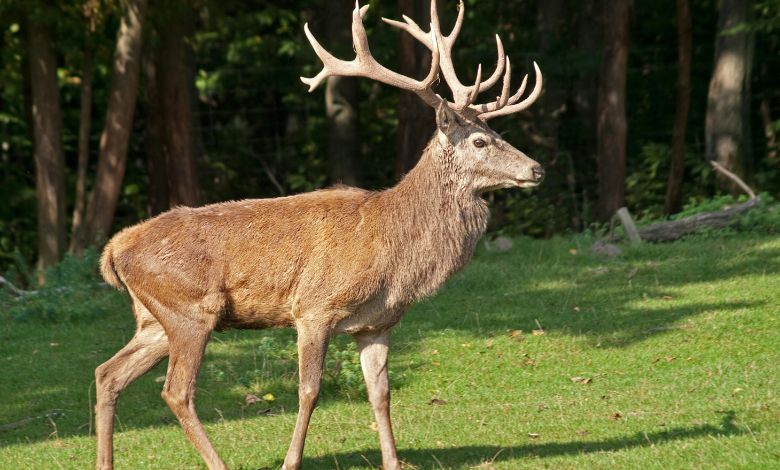
How high can deer jump? Discover their max height, distance, and the right fence size to protect your garden effectively.
I’ll never forget the first time I underestimated a deer.
Years ago, I planted what I call my “perfect backyard garden.” Tomatoes set up like little red soldiers. The salad looked crisp and promising. I even installed what I thought was a solid 6-foot fence. “This will stop them,” I said confidently.
It didn’t happen.
One early morning, coffee in hand, I went outside and froze. Hoof prints. Chewed leaves. Total devastation. My fence? As it was cleared, it felt less like a barrier and more like a low hurdle. That moment forced me to face the reality of what deer are capable of.
That was the day I started doing serious research. One question: How high can deer jump?
If you’re here, you’re probably wondering the same thing, perhaps for fencing, farming, hunting, wildlife curiosity, or just because you noticed a deer vaulting something that seemed impossible.
Let’s break it down clearly, practically, and thoroughly.
The Short Answer: How High Can Deer Jump?
When people ask how high can deer jump, they usually want a quick, direct number.
Healthy adult deer can:
- Jump 8 feet higher than their standing position.
- Jump 10 to 12 feet high with a running start.
- Jump 15 to 30 feet horizontally in the same area.
Yes, you read that correctly. A 6-foot fence basically is an invitation.
Why Deer Can Jump So High (It’s Not Just Luck)
If you’ve ever seen a deer run, you know it almost sounds easy. The smooth, floating motion is not random. Deer are made for explosive power.
1. Strong Hind Legs
A deer’s hind legs act like tightly wound springs. Their muscle structure lets them create rapid force, like elite sprinters or long jump athletes. Except they do it while weighing 100–300 pounds.
Imagine a professional basketball player dunking. Now imagine that player living in nature, running from predators, jumping daily, and prepared to survive. That’s a deer.
2. Survival Instinct
Jumping is not a party trick. This is survival.
As they escape predators, deer need vertical and horizontal clearance. Fences, fallen trees, potholes, rivers,these are the only barriers between them and safety.
Thousands of years of natural selection have rewarded the best jumpers. And that’s why your garden fence has a good chance of being cleared if it’s too low.
Species Breakdown: Not All Deer Jump the Same
When asking how high can deer jump, it’s important to understand species differences.
White-Tailed Deer
- Most common North American species, especially in suburban areas.
- Standing jump: 6–8 feet
- Running jump: 10–12 feet
- Horizontal leap: 20–30 feet
These are the backyard ninjas.
Mule Deer
- Found in western regions.
- Standing jump: 5–7 feet
- Running jump: 8–10 feet
Known for “stabbing”,bouncing high with all four feet. They can’t jump as high vertically as white-tailed deer, but are incredibly flexible.
Red Deer and Other Large Species
- Found in parts of Europe and Asia.
- Average vertical jump: 6–8 feet
Extremely strong runners with large body mass, but still explosive.
Bottom line: Most adult deer species can easily clear a 6-foot fence.
Standing vs Running Jump: Why This Matters
Many homeowners misunderstand this.
You might think: “Well, my fence is 7 feet. That’s enough.”
But here’s the reality: if a deer gets a running start, its jump height increases dramatically.
Think about a high jumper in the Olympics,they sprint first. That speed transfers to altitude. Deer do the same.
If your yard has open space before the fence, you basically provide them a runway. Even with a runway, a complete 10–12 foot arch is still achievable.
Can Deer Jump a 6-Foot Fence?
Yes,almost effortlessly.
A 6-foot fence is generally considered insufficient for deer control. Many wildlife and agricultural experts recommend at least 7.5–8 feet for reliable prevention. And even then, it is not a 100% guarantee.
How Far Can Deer Jump Horizontally?
Deer don’t just jump,they leap forward.
- 15 feet: normal
- 20 feet: very achievable
- 25–30 feet: documented in strong, motivated deer
Imagine the length of a standard parking space,and then double it. That’s within reach.
Why it matters:
- Double fencing
- Garden layouts
- Ditch barriers
- Wildlife crossings
Distance matters when planning for safety and containment.
The Psychology of Deer Jumping
Deer don’t jump unless necessary. They prefer easier paths, openings, and low-resistance routes.
However, they will jump if they feel:
- Threatened
- Hungry
- Stuck
- Pressured
Deterrence is about perception, not just height. If a fence looks unstable, angular, or visually crowded, deer are less likely to attempt a jump. They carefully judge obstacles.
How Tall Should a Fence Be to Stop Deer?
If your goal is practical protection, you’re probably not just asking how high deer jump,you’re trying to protect something valuable.
Recommended fence heights:
- 6 feet: Not effective
- 7 feet: Better, but still risky
- 7.5–8 feet: Strong deterrent
- 8+ feet: Very effective
From my own (painful) gardening experience, upgrading from 6 feet to 8 feet changed everything. No more midnight salad thieves.
Seasonal Differences in Jumping Behavior
Deer behavior changes throughout the year.
- Spring & Summer: Food-driven motivation increases; gardens become prime targets. Jump likelihood: high.
- Fall (Rut Season): Males chase aggressively. Jump likelihood: very high.
- Winter: Food scarcity drives bold behavior. Hunger makes deer braver. Fences can be challenged when deer are frustrated.
Key Takings:
- If there’s one thing I learned from this journey, it’s this:
- Never underestimate wildlife.
- Deer look gentle. Peaceful. Almost fragile.
- They’re not.
- They are strong, calculated, and physically remarkable.
- Understanding how high can deer jump isn’t just about numbers.
- It’s about designing smarter systems, protecting investments, and respecting nature’s engineering.
- And maybe , just maybe , saving your tomatoes.
- If you’re planning fencing right now, go higher than you think you need.
- Trust me.
- I learned the hard way so you don’t have to.
Additional Resources:
- https://www.ncwildlife.gov/wildlife-habitat/land-management/fencing-exclude-deer: Explains that deer can jump 7 feet or higher and recommends 8-foot fencing to effectively keep them out of gardens and agricultural areas. Government wildlife authority source.
- https://www.fieldandstream.com/en/big-game-hunting/how-high-can-deer-jump: Details how white-tailed deer can clear 8 feet from a standstill and potentially 10–12 feet with a running start, based on hunting and wildlife expertise.