What wild animals did pioneers face in the Oregon Trail? Explore bears, bison, wolves & real dangers of the journey west.
When I was a kid, playing the old classroom computer game Oregon Trail, I remember thinking the biggest danger was always a grizzly bear jumping out of nowhere. You’d go hunting, fire a pixelated rifle, and somehow carry back 800 pounds of meat. It felt dramatic. Wild cinema.
But years later, when I started reading real pioneer diaries and historical accounts, I noticed something surprising: the reality was both less dramatic and more intense at the same time.
Yes, pioneers did meet wild animals. Some were dangerous. Some were necessary for survival. Others were simply part of the vast, shifting Regions they crossed , the untamed landscapes stretching from Missouri to the Pacific Northwest.
But the story isn’t just about bears and wolves. It’s about fear, food, adaptation, and learning to live inside a world that doesn’t care if you made it to Oregon or not. It’s also about understanding how different Regions shaped the risks pioneers faced along the trail. So let’s dig deeper.
If you’ve ever thought, what wild animals did pioneers face in the Oregon Trail, and what does that really mean for survival across changing Regions, this guide will guide you through it all.
The Oregon Trail: A Quick Reality Check
Before we jump into specific animals, we need context.
The Oregon Trail almost stretched 2,000 miles from Independence, Missouri, to the fertile Willamette Valley in present-day Oregon. Between the 1840s and 1860s, hundreds of thousands of immigrants covered this route in covered wagons.
The terrain included open prairies, grasslands, wildlife-rich areas, Rocky Mountain passes, river valleys, and desert-like plateaus. It wasn’t a zoo. It wasn’t a safari. It was raw wilderness.
And when you move thousands of humans and livestock across wild territory, you naturally encounter animals. Many modern readers wonder: what wild animals did pioneers face in the Oregon Trail during this dangerous migration west?
Big and Powerful: Giants of the Plains
1. American Bison (Buffalo)
Let’s begin with the most iconic animal of the American frontier: the American bison.
Massive herds transformed the Great Plains in numbers so large that pioneers described the ground as shaking “like thunder.” Imagine standing in an open field and looking at tens of thousands of animals moving in one direction. No fences. No roads. Just movement.
To pioneers, the bison were:
- A source of fresh meat
- A provider of hides
- A symbol of the wild West
But they were also unpredictable.
A single bull bison could weigh up to 2,000 pounds,heavier than a small car. If alarmed, they could charge or stampede through a wagon train. Most pioneers avoided provoking them, though accidents happened. I once read a diary excerpt describing a wagon train stopped for hours because a herd blocked their path. No shortcuts. No way forward. Just waiting.
In many ways, bison were less a threat and more a reminder: you are not in control here.
2. Grizzly Bears
Now we talk real fear.
The grizzly bear was probably the most intimidating predator pioneers discovered, especially in mountainous regions.
Grizzlies were:
- Regional
- Extremely strong
- Faster (yes, faster than you)
- Extremely defensive if surprised
Unlike bison, grizzlies were hunters.
While documented fatal bear attacks on the Oregon Trail were relatively rare, the fear was very real. Pioneer journals often mentioned bear sightings near camps, especially around food storage areas.
Picture this: it’s nighttime. You’re tired after walking 15 miles. The fire has decreased. Your oxen are closely tied. Then you hear something heavy moving in the dark.
That alone can be terrifying. Many people researching what wild animals did pioneers face in the Oregon Trail are especially interested in bears.
3. Black Bears
Less aggressive than grizzlies but still significant, black bears were common in forested areas along the trail.
They were opportunistic:
- Food scraps? They’d take them.
- Poorly stored meat? Gone.
- Livestock carcasses? Even better.
Black bears generally were not interested in attacking people unless cornered or frustrated, but they could absolutely destroy supplies. And on a journey where food meant survival, this was serious.
The Howling Night: Hunting Off Open Plains
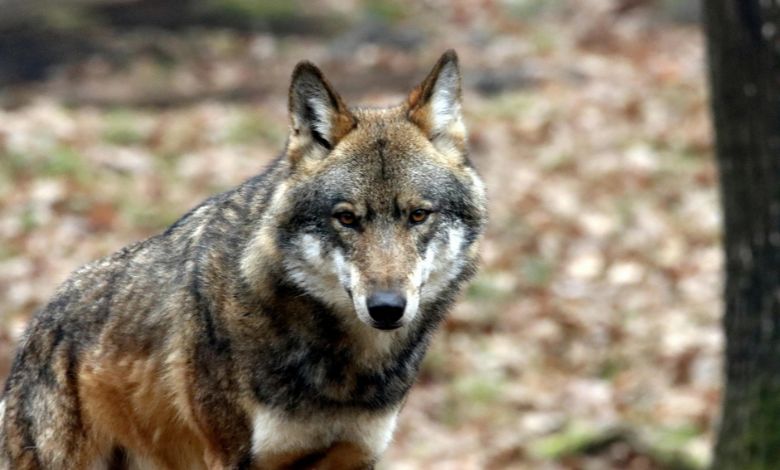
4. Wolves
Wolves had a psychological impact far greater than their actual physical threat.
Travelers often heard wolves howling at night. Imagine already feeling vulnerable, sleeping under canvas, miles from the nearest town,and then hearing synchronized screams across the plains. Terrifying.
But here’s the twist: documented wolf attacks on Oregon Trail emigrants were extremely rare.
Wolves were more interested in weak livestock or scraps from wagon trains. Nevertheless, pioneers were deeply afraid of them. And fear, as we know, can be just as powerful as actual danger.
5. Coyotes
Coyotes were everywhere.
Less threatening than wolves but smart and adaptable, they cleaned up near camps and often followed wagon trains. They weren’t a serious threat to humans, but they could harass livestock and steal food.
If wolves were the villains of frontier imagination, coyotes were the sneaky side characters.
Hooves, Horns, and Survival: Animals That Fed the Journey
Not every wild animal was a threat. Many were critical food sources.
Hunting along the Oregon Trail was harder than people imagine. You couldn’t just hunt whenever you felt like it. Wagon trains had schedules. Grass was crucial for oxen. Rivers had to be crossed at specific points.
Nevertheless, pioneers discovered and sometimes hunted:
6. Moose
Big, magnificent, and found in some western regions.
Moose provided:
- Meat
- Hides
- Bones for tools
They were powerful animals but not aggressive unless cornered.
7. Deer
More common and easier to hunt than moose.
Venison was a welcome change from salt pork and hardtack. After weeks of canned food, fresh meat must have felt like a celebration.
8. Pronghorn Deer
Fast,incredibly fast.
Pronghorn could outrun horses over long distances. They required skill and patience to hunt.
They were not dangerous, but they were tricky,sometimes almost comical in their speed.
Small but Serious: Hidden Dangers
Now let’s talk about creatures with no 1,000-pound weight, but which could still cause major problems.
9. Rattlesnakes
Venomous snakes were a real concern, especially in rocky and dry areas.
A rattlesnake bite in the mid-19th century? Potentially fatal. There were no antivenom kits, no emergency helicopters, and medical knowledge was limited.
Pioneers had to:
- Watch where they stepped
- Shake out bedding
- Be cautious near rocks and tall grass
Snakes were less visible than bears, but they frightened pioneers in a different way.
10. Prairie Dogs
Not dangerous, but incredibly common.
Their burrows created uneven ground, which could harm livestock and wagon wheels. Whole prairie dog towns spread out for miles. They were more disturbing than threatening,but on a long journey, that could still cause problems.
11. Insects: The Underrated Nightmare
Let’s be honest.
Mosquitoes were probably more miserable than wolves. In river valleys and wet areas, pest infestations,including mosquitoes, bees, and gnats,bothered people and livestock without hesitation.
Mosquitoes themselves rarely caused death, but they spread disease and infection. They also drove animals wild. Sometimes the smallest creatures produce the biggest misery.
Myths Versus Fact: Were Animal Attacks Common?
Here’s the part that surprised me most during my research:
Despite all these animals, deaths from wild animal attacks on the Oregon Trail were rare compared to other dangers.
The real killers were:
- Cholera
- Dysentery
- Accidents
- River crossings
Wild animals were part of the landscape, but illness was the true enemy.
Hollywood and video games dramatize bear attacks, but history tells a different story. When we seriously review what wild animals did pioneers face in the Oregon Trail, we see wildlife encounters were real, but seldom the primary cause of death.
How Pioneers Protected Themselves
Pioneers were not careless. They took precautions:
- Kept fires burning at night
- Stored food carefully
- Posted guards
- Carried firearms (primarily for hunting, but also for security)
Interestingly, most animals avoided large wagon trains. Hundreds of people, oxen, and noise were generally enough to keep wildlife at bay.
The Emotional Side of Wildlife Encounters
It’s something we don’t talk about enough.
Imagine coming from a small town in Missouri. You’ve never seen mountains. Never seen vast herds of bison. Never heard wolves howling across an open prairie.
Suddenly, you’re in the middle of it.
To many pioneers, wildlife wasn’t the only threat,it was fear.
Journal entries describe wonder: children staring at animals with wide eyes, having only heard about them in stories. In some ways, the Oregon Trail was the first time many Americans experienced the scale of the continent,and it changes you.
A Personal Reflection
When I first started researching what wild animals pioneers face in the Oregon Trail, I expected drama: blood, constant threat.
Instead, I found something more complex.
Wildlife was part of the ecosystem pioneers entered. It wasn’t always attacking them, nor staging nightly ambushes. It was just living life.
Pioneers had to learn to live with it.
That’s what makes the story powerful. It wasn’t animals versus humans. Humans entered an existing world and had to strive to survive in it.
Key Takings:
So, to fully answer the question what wild animals did pioneers face in the oregon trail, we can confidently say they encountered:
- Bison thundering across the plains
- Grizzly and black bears in wooded regions
- Wolves howling at night
- Coyotes scavenging near camps
- Elk, deer, and antelope as food sources
- Rattlesnakes hidden in dry terrain
- Prairie dogs shaping the land
- Endless insects testing patience
Some were dangerous. Some were helpful. Most were simply part of the wild American landscape.
The Oregon Trail wasn’t a battlefield between humans and animals. It was a long, exhausting journey through one of the richest ecosystems in North America.
And if there’s one thing I’ve learned from exploring this topic, it’s this:
Sometimes the biggest threats aren’t the ones with claws and teeth.
Additional Resources:
- Oregon National Historic Trail , National Park Service: From the National Park Service: Official government resource detailing the Oregon Trail’s history, landscapes, and wildlife emigrants encountered, including large mammals and regional ecosystems.
- Birdwatching on the Oregon Trail , National Park Service: Also published by the National Park Service: Discusses animal life along the trail, including birds and references to broader wildlife present during pioneer migration.